
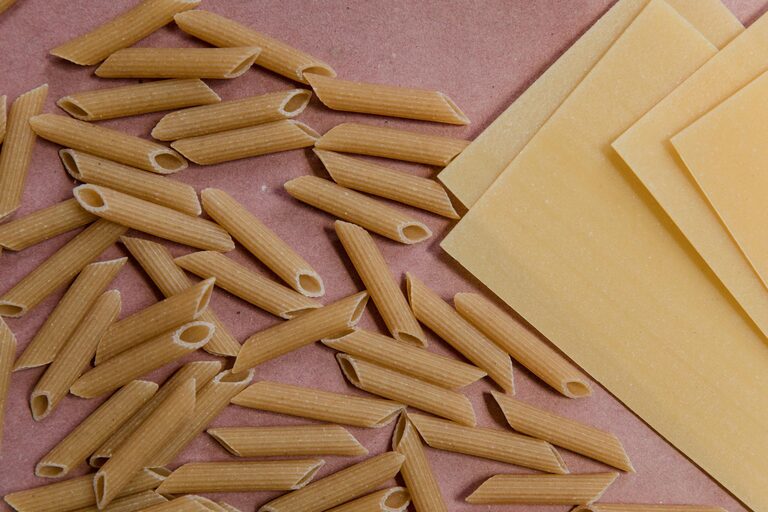
When it comes to mealtime, having a well-stocked pantry can be a game changer. Pantry staples—those basic ingredients that last a long time—provide the foundation for countless meals without needing a last-minute grocery run. Whether you’re looking to save money, reduce food waste, or simply cook more efficiently, planning meals from pantry staples is an invaluable skill.
In this blog post, we’ll explore how to identify your pantry essentials, create meal plans based on what you have, and make the most out of your kitchen supplies. Let’s get started!
What Are Pantry Staples?
Pantry staples are items that have a long shelf life and are versatile enough to be used in many dishes. Common staples include:
– Dry grains (rice, pasta, quinoa)
– Canned goods (beans, tomatoes, corn)
– Baking essentials (flour, sugar, baking powder)
– Spices and herbs
– Cooking oils and vinegars
– Nuts and seeds
– Broths and sauces
Having these basics on hand means you can whip up meals anytime without needing fresh ingredients every time.
Step 1: Take Inventory of Your Pantry
The first step to effective meal planning from pantry staples is to know exactly what you have. Spend some time organizing and listing your pantry contents. Be sure to check:
– Expiration dates to avoid using spoiled items
– The quantity of each ingredient, so you know how much you can use
– Any specialty items or condiments that can add flavor
Creating an inventory list (either on paper or digitally) helps you visualize your options and prevents duplicate purchases.
Step 2: Identify Your Meal Themes
With your inventory ready, think about the types of meals you enjoy and the staples that can support them. Common meal themes that work well with pantry staples include:
– Pasta dishes with canned tomatoes and dried herbs
– Rice bowls featuring canned beans and spices
– Soups and stews using broth, canned veggies, and grains
– Stir-fries with canned corn, nuts, and sauces
– Baked goods or pancakes from flour and baking essentials
Choose meal themes that fit your taste and lifestyle to make planning easier and more enjoyable.
Step 3: Plan Your Meals for the Week
Using your inventory list and meal themes, draft a simple meal plan. Here’s a basic example:
– Monday: Rice and bean bowl with salsa and avocado
– Tuesday: Pasta with tomato sauce and sautéed canned mushrooms
– Wednesday: Lentil soup with vegetable broth and spices
– Thursday: Stir-fry with canned corn, peanuts, and soy sauce
– Friday: Homemade pancakes with honey or jam
– Saturday: Chickpea curry using canned chickpeas, coconut milk powder, and spices
– Sunday: Baked potatoes topped with canned chili and cheese
When building your plan, consider:
– Mixing proteins and vegetables from canned or dried sources
– Using spices to vary flavors throughout the week
– Incorporating leftovers or repurposing dishes for variety
Step 4: Supplement with Fresh Ingredients When Possible
While pantry staples lay the foundation, fresh ingredients can enhance your meals. Items like fresh onions, garlic, fresh herbs, or produce add vibrant taste and nutrition. Buy fresh ingredients in small quantities or choose ones with longer shelf lives, such as carrots or cabbage, to complement your pantry meals.
Step 5: Experiment with Flavor Boosters
Using pantry staples doesn’t mean bland meals! Spice blends, vinegars, condiments, and dried herbs are excellent for elevating simple dishes. Consider keeping these flavor boosters handy:
– Garlic powder or minced garlic
– Onion flakes
– Paprika, chili powder, cumin
– Dried oregano, basil, thyme
– Soy sauce, hot sauce, mustard
– Lemon juice or vinegar
Experiment with combinations to customize the flavor profile of your meals.
Tips for Efficient Meal Planning Using Pantry Staples
– Batch Cooking: Prepare larger portions of soups or stews and freeze leftovers for busy days.
– Mix and Match: Combine different staples to create new dishes—try quinoa with beans or pasta with canned corn.
– Keep It Simple: Don’t overcomplicate recipes; basic seasoning and cooking techniques often work best.
– Label Your Pantry: Organize items by category and label containers to make cooking faster.
– Track Usage: Note which pantry items you use most to replenish smartly.
Sample Pantry Staple Recipe: Easy Chickpea Curry
Ingredients:
– 1 can chickpeas, drained and rinsed
– 1 cup canned diced tomatoes
– 1/2 cup coconut milk (or powder reconstituted)
– 1 tsp curry powder
– 1/2 tsp garlic powder
– 1 tbsp cooking oil
– Salt and pepper to taste
Instructions:
- Heat oil in a pan over medium heat.
- Add garlic powder and curry powder; stir for 30 seconds to release aroma.
- Pour in the canned tomatoes and cook for 5 minutes.
- Add chickpeas and coconut milk; simmer for 10 minutes until thickened.
- Season with salt and pepper.
- Serve over cooked rice or with bread.
This recipe is quick, nutritious, and uses common pantry items you likely have on hand.
Conclusion
Planning meals from pantry staples can save time, money, and stress. By taking inventory, creating meal themes, and thoughtfully planning your week, you’ll turn simple ingredients into delicious meals. Remember to keep your pantry organized and experiment with flavors to keep things interesting. With a little practice, using pantry staples will become a natural and enjoyable part of your cooking routine.
Happy cooking!