
Planning balanced meals doesn’t have to be overwhelming or time-consuming. With a little preparation and some straightforward strategies, you can create nutritious meals that support your well-being and fit your lifestyle. Whether you’re cooking for yourself or your family, this guide will help you simplify meal planning and reduce mealtime stress.
Why Balanced Meals Matter
Balanced meals provide the right combination of nutrients your body needs to function well. This includes proteins, carbohydrates, healthy fats, vitamins, and minerals. Eating balanced meals regularly:
– Maintains energy levels throughout the day
– Supports growth, repair, and immune function
– Helps manage weight naturally
– Promotes overall health and well-being
Achieving balance doesn’t mean complicated recipes or expensive ingredients. It’s about combining a variety of foods in a way that nourishes your body and satisfies your taste buds.
Step 1: Understand the Basic Components of a Balanced Meal
To make meal planning easier, start by knowing the main food groups:
– Proteins: meat, poultry, fish, eggs, beans, lentils, tofu, nuts
– Carbohydrates: whole grains like brown rice, quinoa, oats, whole-wheat bread
– Vegetables: aim for a variety of colors and types, fresh or frozen
– Fruits: fresh, frozen, or canned (without added sugar)
– Healthy Fats: olive oil, avocado, nuts, seeds
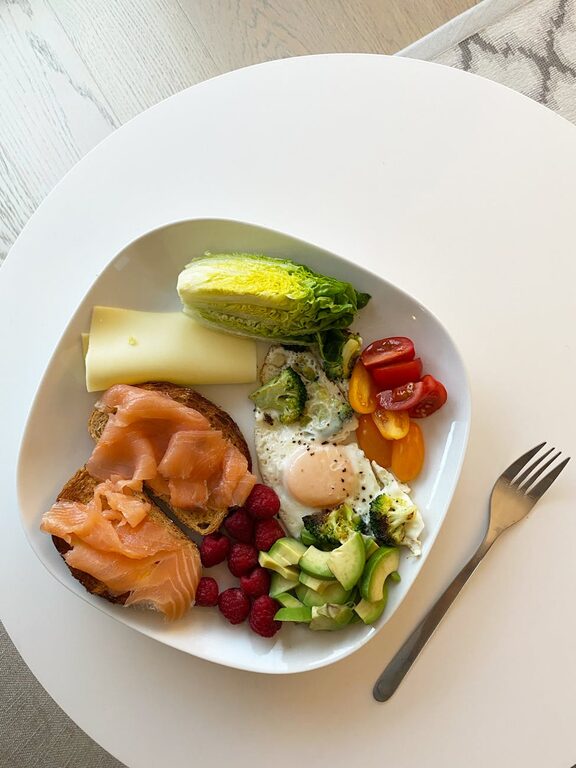
A simple way to visualize a balanced plate is to divide it into sections: half vegetables and fruits, one-quarter protein, and one-quarter carbohydrates, with a small amount of healthy fat.
Step 2: Plan Your Meals Ahead of Time
Taking a little time to plan your meals can save you stress later:
– Choose your meals for the week: Pick simple recipes that you enjoy and can prepare with the ingredients you have.
– Make a shopping list: Stick to your plan when grocery shopping to avoid impulse buys and reduce waste.
– Prep ingredients in advance: Washing and chopping vegetables or cooking grains ahead of time can make cooking faster.
Planning also allows you to balance your meals over the entire day or week, ensuring variety and nutrition.
Step 3: Use Easy and Flexible Recipes
You don’t need to follow complicated recipes to eat balanced meals. Look for easy dishes such as:
– Stir-fries with mixed vegetables and your choice of protein
– Grain bowls topped with veggies, beans, and a dressing of olive oil and lemon
– Omelets filled with spinach, tomatoes, and mushrooms
– Soups loaded with vegetables, lentils, or chicken
Don’t hesitate to swap ingredients based on what you have. Flexibility keeps meal planning simple and reduces waste.
Step 4: Focus on Portion Sizes
Portion size is an important part of balanced eating. Here are general guidelines:
– Protein: about the size of your palm per meal
– Carbohydrates: about one cupped handful
– Vegetables: aim for at least half your plate
– Fats: a small amount, like one to two teaspoons of oil or a small handful of nuts
Adjust portions based on your activity level, appetite, and personal goals.
Step 5: Incorporate Variety and Color
Eating a wide range of foods helps ensure you get all the necessary nutrients. Try to include different types of:
– Vegetables: leafy greens, root vegetables, cruciferous veggies
– Fruits: berries, apples, citrus fruits, melons
– Proteins: alternate between plant-based and animal sources
– Whole grains: quinoa, barley, brown rice, bulgur
Colorful plates are usually packed with nutrients and make meals more enjoyable.
Step 6: Keep Healthy Snacks on Hand
Having balanced snacks can help maintain energy and prevent overeating:
– Fresh fruit with nut butter
– Yogurt with seeds and fruit
– Veggie sticks with hummus
– Nuts and dried fruit mix
Choosing snacks that combine protein, fiber, and healthy fats helps keep you full between meals.
Step 7: Listen to Your Body
Balanced eating isn’t about perfection. Pay attention to hunger and fullness cues, and eat mindfully. Enjoy your meals without pressure, and give yourself flexibility on busy days.
Bonus Tips for Stress-Free Meal Planning
– Batch cook and freeze meals for quick options.
– Use a slow cooker or instant pot for hands-off cooking.
– Make double portions to have leftovers.
– Get the family involved in choosing meals and prepping food.
– Keep a well-stocked pantry with staples like canned beans, whole grains, and spices.
Final Thoughts
Meal planning balanced meals doesn’t have to be stressful or complicated. By understanding the basics, preparing ahead, and focusing on variety and portion sizes, you can nourish your body with ease. Remember, the goal is to find a routine that works for you and supports your health while fitting your lifestyle.
With these simple steps, eating well can feel achievable every day — without the stress!